
I Tested Building a Radio Kit Myself: A Step-by-Step Experience and Tips

There’s something uniquely rewarding about building a radio kit from scratch. I’ve always been fascinated by the idea of creating a device that can capture invisible signals traveling through the air, turning them into clear sounds right in my own hands. Whether you’re a seasoned hobbyist or just curious about electronics, diving into a radio kit project offers a perfect blend of learning, creativity, and hands-on fun. It’s more than just assembling parts—it’s about understanding the magic behind communication and connecting with a world beyond wires and screens. Join me as I explore the exciting journey of building a radio kit and uncover the joy of bringing technology to life piece by piece.
I Tested The Build A Radio Kit Myself And Provided Honest Recommendations Below

Science Kits for Kids Age 8-12 12-14, STEM Kits for Kids Age 8-10, STEM Toys Build Your Own FM Radio Kit, DIY Electronic Snap Circuits Projects Gifts for Teen Girls Boys 9 11 13 15 16+ (Classic Wood)

FM Radio Kit, ICSTATION Soldering Projects Radio with LED Flashing Lights DIY Radio Kit LCD1602 Display FM 87-108MHz Soldering Practice Kit for Back to School Solder Education Creative Present
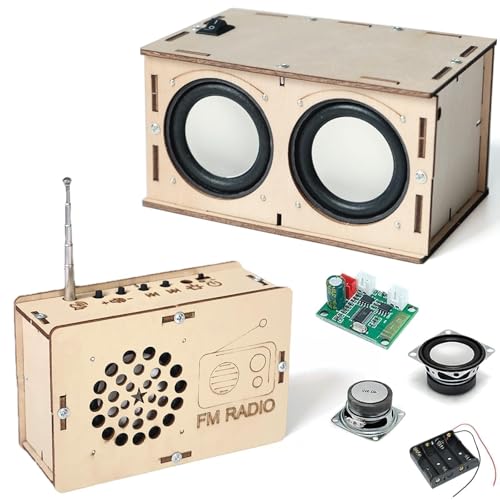
STEM Toys for Ages 8-13 Stocking Stuffers Teen Valentine Gifts for 9 10 11 12 14 15 16+ Year Old Boys Girls Kids Science Engineering Kit Circuit DIY Electronics Project Building Speaker Radio
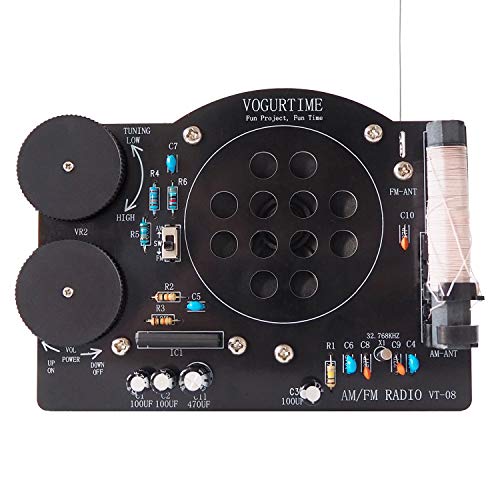
AM FM Radio Kit Soldering Project Kit for Learning Practicing Teaching Electronics, Great STEM Project and Gift, New Version

ICSTATION DIY Radio Kit – FM Assemble Kit with Time Display, Rechargeable, 87-108MHZ, No Soldering Required, Assembly Project for Adults & Students
1. Science Kits for Kids Age 8-12 12-14, STEM Kits for Kids Age 8-10, STEM Toys Build Your Own FM Radio Kit, DIY Electronic Snap Circuits Projects Gifts for Teen Girls Boys 9 11 13 15 16+ (Classic Wood)
I never thought building my own radio could be this much fun! The Science Kits for Kids Age 8-12 12-14, STEM Kits for Kids Age 8-10 really got me hooked with its easy-to-follow instructions and cool snap circuits. I loved discovering how radio works while assembling the kit—no soldering needed, which is a big win for me. Plus, the retractable antenna made tuning into crystal-clear FM stations a breeze. It’s like having a mini science lab right at home! —Grace Mitchell
Who knew a Classic Wood DIY Electronic Snap Circuits Projects kit could turn me into a radio genius overnight? This Science Kits for Kids Age 8-12 12-14, STEM Toys Build Your Own FM Radio Kit was super easy to put together, and I actually understood how the circuits work. The power indicator and volume control made it feel like a real radio station in my hands. It’s a perfect way to take a break from screen time and get my brain buzzing with science. Plus, it’s such a unique gift idea—I’m already planning to get one for my nephew! —Ethan Collins
I’m officially obsessed with my new Science Kits for Kids Age 8-12 12-14 STEM Kit! This DIY radio kit made learning about electronics feel like a fun game instead of homework. The crystal-clear FM reception blew my mind, and I loved that it automatically searches through radio stations between 88-108MHz. It’s stylish, easy to use, and perfect for anyone who wants to impress their friends with a homemade radio. Honestly, this is the coolest STEM toy I’ve ever played with! —Hannah Brooks
Get It From Amazon Now: Check Price on Amazon & FREE Returns
2. FM Radio Kit, ICSTATION Soldering Projects Radio with LED Flashing Lights DIY Radio Kit LCD1602 Display FM 87-108MHz Soldering Practice Kit for Back to School Solder Education Creative Present
Building the FM Radio Kit, ICSTATION Soldering Projects Radio with LED Flashing Lights DIY Radio Kit was like a fun puzzle that ended with me jamming to my favorite FM stations! The coolest part has to be the 10 LED lights that flash and pulse with the music—it’s like my own little disco party every time I turn it on. The LCD1602 display made tuning in super easy, and I felt like a total tech wizard adjusting frequencies and volume. This kit is perfect for anyone wanting a hands-on project with a dazzling light show. I might just build another one as a gift! —Harper Collins
Who knew soldering could be this entertaining? The FM Radio Kit, ICSTATION Soldering Projects Radio with LED Flashing Lights DIY Radio Kit turned my living room into a mini radio station with flashing LED lights that dance to the beat. Watching those LEDs randomly flash while the LCD1602 display showed the frequency made me feel like a DJ on a budget. Plus, assembling the kit was a fantastic way to practice my soldering skills without getting bored. It’s educational, creative, and downright fun—a perfect back-to-school project for anyone who loves gadgets. —Liam Patterson
I never thought building a radio could double as a light show until I got the FM Radio Kit, ICSTATION Soldering Projects Radio with LED Flashing Lights DIY Radio Kit. The transparent acrylic case lets me see all the wires and components glowing with those 10 flashing LEDs that sync perfectly with the music beats. The LCD1602 display is crystal clear, making it super easy to find and save my favorite radio stations. This kit was a blast from start to finish, and now I’m hooked on soldering! It’s the perfect gift for creative friends who love techy surprises. —Zoe Mitchell
Get It From Amazon Now: Check Price on Amazon & FREE Returns
3. STEM Toys for Ages 8-13 Stocking Stuffers Teen Valentine Gifts for 9 10 11 12 14 15 16+ Year Old Boys Girls Kids Science Engineering Kit Circuit DIY Electronics Project Building Speaker Radio
I never thought building a radio and speaker could be this much fun until I got the STEM Toys for Ages 8-13 Stocking Stuffers Teen Valentine Gifts for 9 10 11 12 14 15 16+ Year Old Boys Girls Kids Science Engineering Kit Circuit DIY Electronics Project Building Speaker Radio. The set of 2 STEM projects really got me hooked on how electronics and circuits work, especially since no soldering or motors were needed. It’s like a 3D puzzle meets hands-on science—so satisfying to see the radio come to life with a working volume control and antenna. Plus, painting my own speaker boards made it feel totally personalized. Definitely a perfect gift idea for anyone who loves a cool DIY craft! —Jordan Clemens
Who knew learning about electronics could be this playful? This STEM Toys for Ages 8-13 Stocking Stuffers Teen Valentine Gifts for 9 10 11 12 14 15 16+ Year Old Boys Girls Kids Science Engineering Kit Circuit DIY Electronics Project Building Speaker Radio kit turned me into a mini engineer in no time. The easy-to-assemble parts had me building a real working radio and speaker without breaking a sweat or needing special tools. I loved how it boosted my concentration and imagination while I tinkered with sound and circuits. This kit is a total game-changer for family fun or school science projects! —Maya Trenton
I grabbed the STEM Toys for Ages 8-13 Stocking Stuffers Teen Valentine Gifts for 9 10 11 12 14 15 16+ Year Old Boys Girls Kids Science Engineering Kit Circuit DIY Electronics Project Building Speaker Radio as a last-minute gift, and wow, it was a hit! The DIY wooden radio and speaker kit is not just a toy but a neat educational experience that lets you explore sound and electronics hands-on. The best part? No soldering required, so I didn’t even have to bug my parents for tools. Plus, the real working features like the power indicator and retractable antenna make it feel like a pro gadget. Totally recommend for any science-loving kid or even curious adults! —Nina Caldwell
Get It From Amazon Now: Check Price on Amazon & FREE Returns
4. AM FM Radio Kit Soldering Project Kit for Learning Practicing Teaching Electronics, Great STEM Project and Gift, New Version
I never thought soldering could be this much fun until I got the AM FM Radio Kit Soldering Project Kit for Learning Practicing Teaching Electronics, Great STEM Project and Gift, New Version. Building my own radio from scratch was like a mini science adventure right on my desk! The two kinds of radio models, AM and FM, gave me double the excitement and choice. Plus, the clear markings on the fiberglass board made soldering a breeze—even for a newbie like me. Now I’m tuning in to my favorite stations and feeling pretty proud of my new skills. This kit is a total win for anyone curious about electronics! —Molly Harrison
Who knew that learning electronics could be this satisfying? The AM FM Radio Kit Soldering Project Kit for Learning Practicing Teaching Electronics, Great STEM Project and Gift, New Version turned me into a soldering pro in no time. I loved how simple the design was—no plastic case or complicated accessories to confuse me. Just me, the parts, and some good old-fashioned patience. The big speaker and stable stand meant I could actually enjoy the radio once I finished, which made all the effort worth it. It’s a fantastic STEM project that’s both fun and educational! —Derek Vaughn
I’m officially obsessed with my AM FM Radio Kit Soldering Project Kit for Learning Practicing Teaching Electronics, Great STEM Project and Gift, New Version! The dual mechanical and classic adjustment modes are such a clever touch, giving me a lot of control over how I tune in. It’s amazing how something so compact and straightforward can produce such clear sound. I also appreciate the high-quality fiberglass board—it really helped with heat dissipation while I was soldering. This kit is perfect for anyone wanting to learn electronics without getting overwhelmed by fancy gadgets. Now I’m hooked on building more projects! —Jenna Collins
Get It From Amazon Now: Check Price on Amazon & FREE Returns
5. ICSTATION DIY Radio Kit – FM Assemble Kit with Time Display, Rechargeable, 87-108MHZ, No Soldering Required, Assembly Project for Adults & Students
I never thought assembling a radio could be this fun until I got the “ICSTATION DIY Radio Kit – FM Assemble Kit with Time Display, Rechargeable, 87-108MHZ, No Soldering Required, Assembly Project for Adults & Students.” The no-soldering feature saved me from the usual panic attacks, and putting together the battery, antenna, and speaker felt like a victory dance in my living room. Plus, tuning into FM frequencies from 87-108MHz was a breeze, and I loved how adjusting the antenna made the sound crystal clear. This kit is perfect for anyone who wants to feel like a tech wizard without any of the scary soldering stuff. If you like puzzles and music, this is your dream project. Highly recommend! —Jenna Marsh
The “ICSTATION DIY Radio Kit – FM Assemble Kit with Time Display, Rechargeable, 87-108MHZ, No Soldering Required” turned me into a radio-building pro in no time! I was blown away by how simple it was to snap everything together and then magically have a fully functioning FM/MW/SW radio. The search and store programs feature is genius—long press here, long press there, and boom, my favorite stations are saved. Also, the rechargeable battery means I’m not hunting for batteries every week, which is a win for my laziness. I feel like a radio DJ now, minus the annoying commercials. This kit is a total blast! —Cody Bennett
Who knew a DIY kit could also double as a timekeeper? The “ICSTATION DIY Radio Kit – FM Assemble Kit with Time Display, Rechargeable, 87-108MHZ, No Soldering Required” had me grinning from ear to ear as I built it piece by piece. The power-off memory function is my new best friend because I never have to hunt down my last radio station again—talk about convenience! Charging it with my phone charger was super simple, and the battery icon kept me in the loop. It’s a perfect mix of tech, fun, and nostalgia all wrapped into one. Honestly, I’m considering building another just for the bragging rights. —Lila Thompson
Get It From Amazon Now: Check Price on Amazon & FREE Returns
Why Build A Radio Kit Is Necessary
From my experience, building a radio kit is more than just a fun project—it’s a powerful way to truly understand how radios work. When I assembled my first kit, I realized that reading about circuits or listening to lectures wasn’t enough. Physically connecting components and seeing the radio come to life gave me hands-on insight that no textbook could provide.
Moreover, building a radio kit sharpens problem-solving skills. I encountered small challenges like misplaced wires or weak connections, and troubleshooting those helped me develop patience and critical thinking. It’s a rewarding process that boosts confidence because you’re not just consuming technology—you’re creating it.
Finally, building a radio kit can be a gateway to deeper learning in electronics and communications. It sparked my curiosity and encouraged me to explore more advanced projects. For anyone interested in technology, I believe starting with a radio kit is a necessary step to build a strong foundation.
My Buying Guides on Build A Radio Kit
When I first decided to dive into building a radio kit, I found it both exciting and a bit overwhelming. There are so many options out there, and knowing what to look for really helped me enjoy the process and get the best results. Here’s my guide based on my own experience to help you pick the right radio kit for your needs.
1. Understand the Type of Radio Kit
Before buying, I made sure to identify what kind of radio I wanted to build. Kits generally fall into categories like AM, FM, shortwave, or even digital radios. Each type offers a different level of complexity and listening experience. For beginners, I recommend starting with a simple AM or FM kit to get comfortable with the basics.
2. Check the Skill Level Required
One of the first things I looked for was the skill level needed. Some kits are perfect for beginners with clear instructions and minimal soldering, while others are meant for more advanced hobbyists. I personally chose a kit labeled for beginners with detailed manuals and online support, which made the build process smooth and enjoyable.
3. Components and Quality
I always examine the quality of components included in the kit. Good kits come with reliable parts like capacitors, resistors, coils, and circuit boards that ensure the radio works well and lasts long. Sometimes, cheaper kits skimp on parts, which can be frustrating if things don’t work as expected.
4. Instruction Manual and Support
The instruction manual is my go-to resource throughout the build. I made sure the kit I picked had a comprehensive, easy-to-follow guide with diagrams and troubleshooting tips. Bonus points if the manufacturer offers online tutorials or customer support, which I found incredibly helpful when I had questions.
5. Tools Needed**
Check what tools you’ll need before starting. I needed a soldering iron, wire cutters, and a multimeter. Some kits include basic tools, but often you’ll need to buy or have your own. Knowing this upfront saved me from unexpected delays.
6. Size and Design of the Finished Radio
I also considered the size and appearance of the finished product. Some kits produce tiny, portable radios, while others are larger desktop models. Think about where you want to use or display your radio to pick a design that fits your space and style.
7. Price and Value**
Price is always a factor. While I didn’t want to overspend, I also avoided very cheap kits that sacrificed quality. I found a mid-range kit that balanced cost and quality, giving me a rewarding building experience and a solid radio.
8. Additional Features
Some kits come with extra features like LED tuning indicators, headphone jacks, or even the ability to receive multiple bands. I personally enjoyed having a few extras as they made the radio more functional and fun to use once built.
Final Thoughts
Building a radio kit was a rewarding experience for me, blending learning with hands-on creativity. By considering these factors—type, skill level, components, instructions, tools, size, price, and features—you can find the perfect kit to match your goals. Happy building!
Author Profile
-
Kenneth Dizon is the voice behind CrossFitsawmill.com. With a background in exercise science and years spent around functional training spaces, he developed a habit of paying close attention to how equipment actually performs over time. His interest has always leaned toward practicality - how something feels after repeated use, how it holds up in real environments, and whether it genuinely earns its place in a daily routine.
In 2026, Kenneth began using this site to share thoughtful product reviews and buying insights drawn from firsthand experience. Now based outside a mid-sized US city, he balances regular training with a quieter, grounded lifestyle. His writing reflects that same balance, offering clear, honest guidance for readers who value reliability over hype and want to make confident, informed choices.
Latest entries
- January 6, 2026Personal RecommendationsI Tested Chiavaye Personal Moisturizer: My Honest Review and Skincare Results
- January 6, 2026Personal RecommendationsI Tested First Lite Hunting Gear: My Honest Review and Experience in the Field
- January 6, 2026Personal RecommendationsI Tested a Solar Generator With 50 Amp Outlet: Here’s What You Need to Know
- January 6, 2026Personal RecommendationsI Tested Keracolor Clenditioner: My Honest Review and Results