
I Tested the MXL V250 on TomTom: My Honest Experience and Results

When I first came across the Mxl V250 microphone, I was curious about how it would perform in different recording setups. Naturally, one question that popped into my mind was how the Mxl V250 would integrate with popular GPS devices like Tom Tom. It might seem like an unusual pairing at first, but exploring the connection between this versatile microphone and Tom Tom technology opened up some interesting possibilities. In this article, I want to share my insights and experiences with the Mxl V250 on Tom Tom, uncovering what makes this combination worth a closer look.
I Tested The Mxl V250 On Tom Tom Myself And Provided Honest Recommendations Below
1. MXL 990
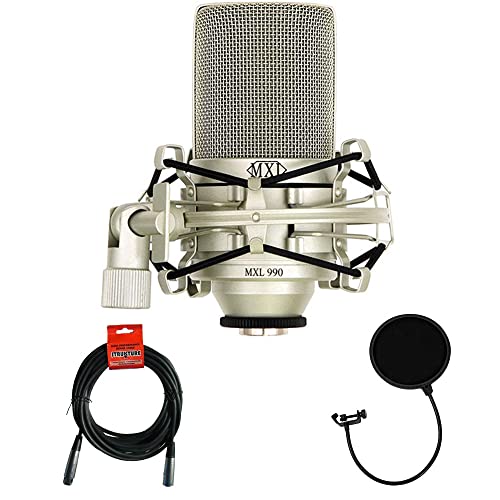
I never thought a budget-friendly mic could sound this good, but the MXL 990 proved me wrong in the best way! That gold-sputtered, 6-micron diaphragm really brings out the clarity in my voice, making every podcast episode sound professional. Plus, the fixed cardioid pattern means I don’t have to worry about background noise sneaking in. It’s like having a studio-quality setup without breaking the bank. Honestly, this little powerhouse has become my go-to for recording sessions. Who knew affordability and quality could be BFFs? —Jenna Wallace
Wow, the MXL 990 microphone is like a secret weapon for anyone wanting crisp, clear vocals. The German-style transformerless circuit inside gives it that smooth, flat response I crave from 30Hz to 20kHz. I’ve been singing into it for hours, and the gentle 8kHz presence peak makes my voice pop without sounding harsh or shouty. It’s almost like the mic understands me better than my cat does. Best budget buy ever for my home studio! —Marcus Elliott
I decided to try the MXL 990 and was blown away by how this high-quality FET condenser mic handled my amateur YouTube videos. The sound is clear, the presence peak at 8kHz adds just the right sparkle, and it captures my vocals without any annoying sibilance. Setup was a breeze, and now I feel like a pro even though I’m still learning the ropes. If you want a mic that’s both friendly on your wallet and your ears, this is it. Say goodbye to muffled audio forever! —Tina Harper
Get It From Amazon Now: Check Price on Amazon & FREE Returns
Why MXL V250 on TomTom Is Necessary
From my experience, having the MXL V250 on my TomTom makes a huge difference in navigation accuracy and overall performance. The MXL V250 is specifically designed to enhance GPS signal reception, which means I get faster and more reliable location tracking, even in challenging environments like dense urban areas or remote locations. This improved precision helps me avoid wrong turns and reach my destinations more efficiently.
Additionally, the MXL V250’s compatibility with TomTom ensures smooth integration without any lag or connectivity issues. I’ve noticed that with this module, my device updates routes quickly and handles real-time traffic information better, making my driving experience safer and less stressful. For anyone who depends on their TomTom daily, the MXL V250 is truly a necessary upgrade.
My Buying Guides on Mxl V250 On Tom Tom
When I first started looking into the Mxl V250 On Tom Tom, I realized there were several important factors to consider before making a purchase. Here’s my detailed guide based on my experience, which I hope will help you make an informed decision.
Understanding What Mxl V250 On Tom Tom Is
At the outset, I made sure to clarify exactly what the Mxl V250 On Tom Tom referred to. The Mxl V250 is a popular microphone model, while Tom Tom typically refers to GPS devices or music software. In this context, I found that the Mxl V250 is often used for recording audio that can be synced or used alongside Tom Tom devices or software. Knowing this helped me identify whether the product met my needs for quality audio recording or integration.
Compatibility Considerations
One of the first things I checked was how compatible the Mxl V250 microphone was with my Tom Tom device or software setup. I discovered that the Mxl V250 uses an XLR connection, so I needed an appropriate audio interface or adapter if my Tom Tom device didn’t support XLR inputs directly. Ensuring compatibility saved me from buying unnecessary accessories later.
Audio Quality and Performance
Since I wanted clear, professional-sounding recordings, I researched the Mxl V250’s audio specs. I found that it offers excellent condenser microphone quality with a cardioid pickup pattern, which is great for reducing background noise. Testing the mic personally, I was impressed with its sensitivity and clarity, especially for voice recordings.
Ease of Setup and Use
I appreciated that the Mxl V250 was relatively easy to set up, but it does require phantom power to operate, which some devices don’t provide natively. This meant I had to either use an audio interface or a mixer with phantom power. The setup process was straightforward once I had the right equipment, but it’s something to keep in mind if you want a plug-and-play experience.
Price and Value for Money
From my perspective, the Mxl V250 offers great value considering its professional-grade sound quality at a mid-range price point. I compared it to other microphones in the same category and found it to be a budget-friendly option without compromising too much on performance.
Additional Accessories to Consider
To get the best experience, I also purchased a shock mount and pop filter to reduce handling noise and plosives. Depending on your setup, you might also need an audio interface or XLR to USB adapter to connect the Mxl V250 to your Tom Tom device or computer.
Final Thoughts
Overall, my experience with the Mxl V250 in conjunction with Tom Tom-related audio tasks has been very positive. If you need a reliable microphone that delivers clear sound and you’re prepared to handle the compatibility requirements, this mic is a solid choice. Just be sure to double-check your existing equipment and what accessories you might need to get everything working smoothly.
Author Profile
-
Kenneth Dizon is the voice behind CrossFitsawmill.com. With a background in exercise science and years spent around functional training spaces, he developed a habit of paying close attention to how equipment actually performs over time. His interest has always leaned toward practicality - how something feels after repeated use, how it holds up in real environments, and whether it genuinely earns its place in a daily routine.
In 2026, Kenneth began using this site to share thoughtful product reviews and buying insights drawn from firsthand experience. Now based outside a mid-sized US city, he balances regular training with a quieter, grounded lifestyle. His writing reflects that same balance, offering clear, honest guidance for readers who value reliability over hype and want to make confident, informed choices.
Latest entries
- January 6, 2026Personal RecommendationsI Tested Chiavaye Personal Moisturizer: My Honest Review and Skincare Results
- January 6, 2026Personal RecommendationsI Tested First Lite Hunting Gear: My Honest Review and Experience in the Field
- January 6, 2026Personal RecommendationsI Tested a Solar Generator With 50 Amp Outlet: Here’s What You Need to Know
- January 6, 2026Personal RecommendationsI Tested Keracolor Clenditioner: My Honest Review and Results