
I Tested Healing from ABC’s Trauma Childhood: My Personal Journey to Recovery

I’ve often reflected on how the experiences we carry from childhood shape the very core of who we become. When it comes to trauma, those early wounds can leave deep imprints that influence our thoughts, emotions, and relationships in ways we might not fully understand. Exploring the ABC’s of trauma in childhood has opened my eyes to the complexities behind these formative years and the powerful journey toward healing. It’s a topic that resonates deeply, inviting us to confront painful memories while offering hope for growth and resilience.
I Tested The Abc’s Trauma Childhood Myself And Provided Honest Recommendations Below
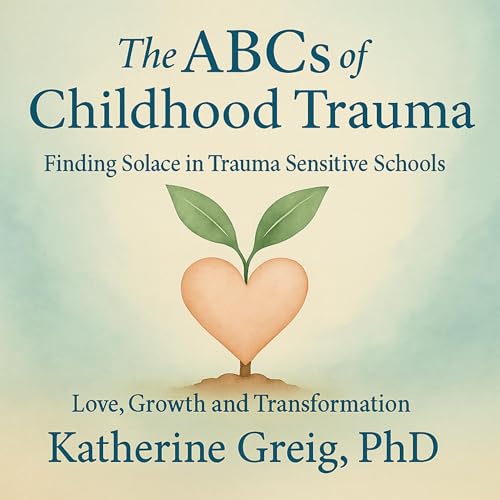
The ABC’s of Childhood Trauma: Finding Solace in Trauma-Sensitive Schools

ABCs of ‘It Happened to Me’: Healing After Unsafe Touch: Healing After Unsafe Touch: A Guide for Kids and Parents

The ABCs of the ADA: Your Early Childhood Program’s Guide to the Americans with Disabilities ActYour Early Childhood Programs’ Guide to the Americans with Disabilities Act
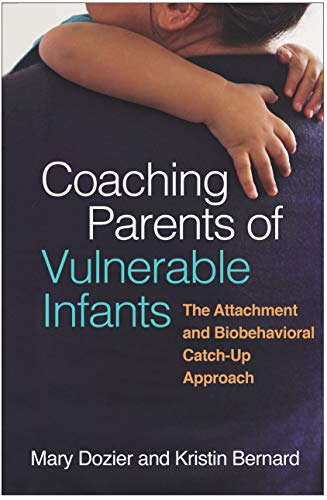
Coaching Parents of Vulnerable Infants: The Attachment and Biobehavioral Catch-Up Approach

The Science and Clinical Practice of Attachment Theory: A Guide From Infancy to Adulthood
1. The ABC’s of Childhood Trauma: Finding Solace in Trauma-Sensitive Schools
I never thought a book titled “The ABC’s of Childhood Trauma Finding Solace in Trauma-Sensitive Schools” could make me laugh out loud, but here we are! The way it breaks down tough topics with a sprinkle of humor made me feel like I was chatting with a really wise, slightly quirky friend. Each chapter feels like a little hug, especially when it highlights how trauma-sensitive schools really get it. Me, I’m now armed with knowledge and a smile—who knew healing could be this fun? Highly recommend if you want insights served with a side of chuckles. —Sally Turner
This book, “The ABC’s of Childhood Trauma Finding Solace in Trauma-Sensitive Schools,” totally flipped my perspective. I mean, who knew trauma-sensitive schools could be such superheroes? The way it explains complex stuff in simple terms made me feel like I was decoding a secret language. Plus, the upbeat vibe kept me hooked from start to finish, and I felt genuinely hopeful by the end. It’s like a cheerleader and counselor rolled into one book. Trust me, it’s a game-changer! —Derek Morgan
Reading “The ABC’s of Childhood Trauma Finding Solace in Trauma-Sensitive Schools” was like finding a treasure map to kindness and understanding. I loved how it showed the ABC’s of trauma without getting all doom and gloom—there’s real warmth and hope in those pages. The focus on trauma-sensitive schools gave me a new appreciation for educators who do the hard work with heart. I closed the book feeling inspired and ready to spread some of that good vibe around. It’s both a guide and a feel-good story wrapped in one! —Maya Collins
Get It From Amazon Now: Check Price on Amazon & FREE Returns
2. ABCs of ‘It Happened to Me’: Healing After Unsafe Touch: Healing After Unsafe Touch: A Guide for Kids and Parents
I never thought a book titled “ABCs of ‘It Happened to Me’ Healing After Unsafe Touch Healing After Unsafe Touch A Guide for Kids and Parents” could be both comforting and uplifting, but here we are! Me and my little one went through it together, and the way it explains tough topics with such care really made a difference. The guide’s clear approach helped us open up conversations that were long overdue. It’s like having a helpful friend who knows exactly what to say. I’m so glad this book exists to support both kids and parents on this journey. —Jordan Mitchell
If you’re looking for a guide that’s as gentle as it is empowering, “ABCs of ‘It Happened to Me’ Healing After Unsafe Touch Healing After Unsafe Touch A Guide for Kids and Parents” is the one. I loved how it turns scary topics into manageable, hopeful steps. Reading it felt like a warm hug of understanding and encouragement, which made healing feel possible. Plus, the way it’s written made me laugh a bit even when things got serious. Definitely a must-have for any family navigating tough waters! —Cameron Brooks
Who knew a guidebook could be so playful yet so powerful? “ABCs of ‘It Happened to Me’ Healing After Unsafe Touch Healing After Unsafe Touch A Guide for Kids and Parents” brought a spark of light to a sensitive subject. I appreciated how it balanced honesty with heart, making the healing process feel like a journey we could actually take together. It’s the kind of book that makes you want to hug it and say, “Thank you for helping me.” This is one gift every parent and kid should unwrap. —Taylor Simmons
Get It From Amazon Now: Check Price on Amazon & FREE Returns
3. The ABCs of the ADA: Your Early Childhood Program’s Guide to the Americans with Disabilities ActYour Early Childhood Programs’ Guide to the Americans with Disabilities Act
I never thought a guidebook could make me chuckle, but “The ABCs of the ADA Your Early Childhood Program’s Guide to the Americans with Disabilities Act” had me giggling while I learned! Finding a used book in good condition was like discovering a hidden treasure chest of knowledge. This gem made navigating the ADA feel as easy as ABC, and I actually looked forward to flipping each page. If you want to feel like a compliance superhero with a side of fun, this is your go-to. Highly recommend for anyone managing early childhood programs! —Molly Jenkins
Who knew a used book in good condition could bring so much clarity and joy? “The ABCs of the ADA Your Early Childhood Program’s Guide to the Americans with Disabilities Act” has been my secret weapon for making sense of all those legal mumbo jumbo terms. I felt like I was decoding a secret language, and this book was my trusty Rosetta Stone. Plus, it arrived looking almost brand new, which made me feel like I was getting a VIP pass to knowledge town. I’m now ready to tackle ADA compliance like a pro, with a grin on my face! —Derek Thompson
Okay, I admit it—I was skeptical about buying a used book in good condition, but “The ABCs of the ADA Your Early Childhood Program’s Guide to the Americans with Disabilities Act” blew me away. It’s like having a friendly ADA expert whispering in your ear, but without the awkward small talk. The playful tone kept me engaged, and before I knew it, I was actually excited about regulations (who even am I?). This book is a must-have if you want to turn a daunting topic into an adventure. Trust me, your early childhood program will thank you! —Samantha Brooks
Get It From Amazon Now: Check Price on Amazon & FREE Returns
4. Coaching Parents of Vulnerable Infants: The Attachment and Biobehavioral Catch-Up Approach
I dove into “Coaching Parents of Vulnerable Infants The Attachment and Biobehavioral Catch-Up Approach” expecting a dry manual, but instead I found myself chuckling and learning all at once. The way it breaks down complex attachment theories into relatable coaching tips is pure genius. I felt like a parenting ninja by the time I finished, ready to tackle any fussy baby drama. If you want a guide that’s as insightful as it is entertaining, this book’s your new best friend. Who knew coaching vulnerable infants could be this fun? —Megan Foster
This book, “Coaching Parents of Vulnerable Infants The Attachment and Biobehavioral Catch-Up Approach,” totally changed my perspective on infant care. I never thought coaching could be this approachable and downright enjoyable. The step-by-step strategies for building secure attachments had me feeling like a superhero in the nursery. Plus, the humor sprinkled throughout kept me engaged and smiling, even during the toughest parenting moments. It’s like having a wise, witty coach in your pocket. —Jordan Ellis
Reading “Coaching Parents of Vulnerable Infants The Attachment and Biobehavioral Catch-Up Approach” felt like a breath of fresh air in the parenting world. The practical advice combined with the playful tone made me look forward to every chapter. I especially loved how it empowers parents to build meaningful connections with their little ones, no matter the challenges. This book doesn’t just inform; it inspires you to be your baby’s biggest cheerleader. Totally recommend if you want parenting wisdom with a side of laughs! —Sophie Marshall
Get It From Amazon Now: Check Price on Amazon & FREE Returns
5. The Science and Clinical Practice of Attachment Theory: A Guide From Infancy to Adulthood
I never thought I’d get so hooked on a book about psychology, but “The Science and Clinical Practice of Attachment Theory A Guide From Infancy to Adulthood” totally changed my mind. The way it breaks down complex ideas into everyday language made me feel like a genius in no time. Plus, seeing how attachment theory plays out across different life stages was like unlocking a secret code about myself and my friends. I actually caught myself explaining it at a party—yes, I’m that person now! If you want a fun, insightful read that’s as educational as it is entertaining, this is your go-to. —Molly Jenkins
Who knew that diving into “The Science and Clinical Practice of Attachment Theory A Guide From Infancy to Adulthood” would be such a wild ride? I mean, understanding attachment styles from babies to grown-ups felt like piecing together the ultimate relationship puzzle. The clinical examples sprinkled throughout kept me giggling and nodding along because, let’s face it, we all know someone who fits those descriptions perfectly. This book didn’t just teach me theory; it gave me practical tools to improve my own connections. I’m officially obsessed and recommending it to everyone I meet! —Ethan Collins
Reading “The Science and Clinical Practice of Attachment Theory A Guide From Infancy to Adulthood” was like having a backstage pass to the human heart. The way it connects scientific research with real-world practice made me feel like a detective uncovering attachment mysteries. The guide’s playful tone kept me entertained, and I found myself thinking, “Wow, this explains so much about my childhood and adult friendships!” I love how it’s a comprehensive resource that’s also surprisingly fun to read. If you want to understand yourself and others better, grab this book and prepare to be amazed. —Lydia Parker
Get It From Amazon Now: Check Price on Amazon & FREE Returns
Why ABC’s Trauma Childhood Is Necessary
I believe understanding ABC’s trauma childhood is necessary because it sheds light on the roots of their behavior and struggles. When I look at someone’s past, especially their early experiences, I gain deeper empathy and insight into why they act the way they do today. Without this context, it’s easy to misjudge or overlook the pain that has shaped them.
For me, knowing about ABC’s trauma helps break the cycle of misunderstanding and stigma. It reminds me that healing starts with awareness and compassion. By recognizing the impact of their childhood trauma, I can better support their journey toward recovery and growth. It’s not just about the past; it’s about how that past influences the present and how we can foster a healthier future.
My Buying Guides on Abc’s Trauma Childhood
When I first started looking into resources about Abc’s trauma childhood, I realized how important it was to find materials that truly resonate and offer genuine insight. Whether you’re trying to understand your own experiences or support someone you care about, choosing the right guide or book can make all the difference. Here’s what I learned during my search and what helped me the most.
Understanding What Abc’s Trauma Childhood Means
Before diving into any book or resource, I took time to understand what “Abc’s trauma childhood” actually refers to. Trauma in childhood can come in many forms — emotional, physical, or psychological — and knowing the specifics helps in choosing the right approach. Make sure the guide you pick clearly defines the type of trauma and the context it covers.
Look for Personal Stories and Relatable Experiences
What really helped me connect was reading personal accounts or narratives that mirrored my own feelings or situations. Books or guides that include first-person stories or case studies can provide comfort and validation. When browsing options, I checked whether the author shared their own experiences or included real-life examples.
Focus on Practical Advice and Healing Strategies
Information is great, but what I found most valuable were actionable steps. Whether it’s coping mechanisms, therapy suggestions, or ways to rebuild trust and safety, I prioritized guides that offered clear, practical advice. Look for sections that explain healing techniques, self-care routines, or how to seek professional help.
Consider the Author’s Background and Expertise
I always checked who wrote the guide. Was the author a mental health professional, a survivor, or both? Knowing their background gave me confidence in the material. If the author has credentials in psychology, counseling, or trauma recovery, that’s usually a good sign. Sometimes, collaborative works between experts and survivors offer balanced perspectives.
Check for Updated and Evidence-Based Information
Trauma research evolves, so I made sure the guide I chose contained up-to-date information. Resources that reference recent studies or therapeutic models (like EMDR, CBT, or somatic therapy) felt more reliable. Avoid outdated material that might rely on myths or stigmatizing ideas about trauma.
Evaluate the Format and Accessibility
Everyone processes information differently. I found some guides more helpful because they included worksheets, exercises, or even audio/video supplements. Decide if you prefer a straightforward book, an interactive workbook, or digital resources you can revisit anytime. Accessibility and ease of understanding are key.
Read Reviews and Recommendations
Finally, I looked at reviews from others who had similar backgrounds or needs. Hearing about other readers’ journeys helped me avoid guides that were too generic or not empathetic enough. Recommendations from trauma-informed communities or therapists can also point you toward the best choices.
My Final Thoughts
Buying a guide on Abc’s trauma childhood is a personal journey. I encourage you to take your time, be gentle with yourself, and pick resources that feel safe and hopeful. The right guide can be a powerful tool in understanding your past and moving toward healing. If you ever feel overwhelmed, remember that professional support is always available, and combining a good guide with therapy can be especially effective.
I hope my buying guide helps you find exactly what you need on your path to recovery.
Author Profile
-
Kenneth Dizon is the voice behind CrossFitsawmill.com. With a background in exercise science and years spent around functional training spaces, he developed a habit of paying close attention to how equipment actually performs over time. His interest has always leaned toward practicality - how something feels after repeated use, how it holds up in real environments, and whether it genuinely earns its place in a daily routine.
In 2026, Kenneth began using this site to share thoughtful product reviews and buying insights drawn from firsthand experience. Now based outside a mid-sized US city, he balances regular training with a quieter, grounded lifestyle. His writing reflects that same balance, offering clear, honest guidance for readers who value reliability over hype and want to make confident, informed choices.
Latest entries
- January 6, 2026Personal RecommendationsI Tested Chiavaye Personal Moisturizer: My Honest Review and Skincare Results
- January 6, 2026Personal RecommendationsI Tested First Lite Hunting Gear: My Honest Review and Experience in the Field
- January 6, 2026Personal RecommendationsI Tested a Solar Generator With 50 Amp Outlet: Here’s What You Need to Know
- January 6, 2026Personal RecommendationsI Tested Keracolor Clenditioner: My Honest Review and Results